
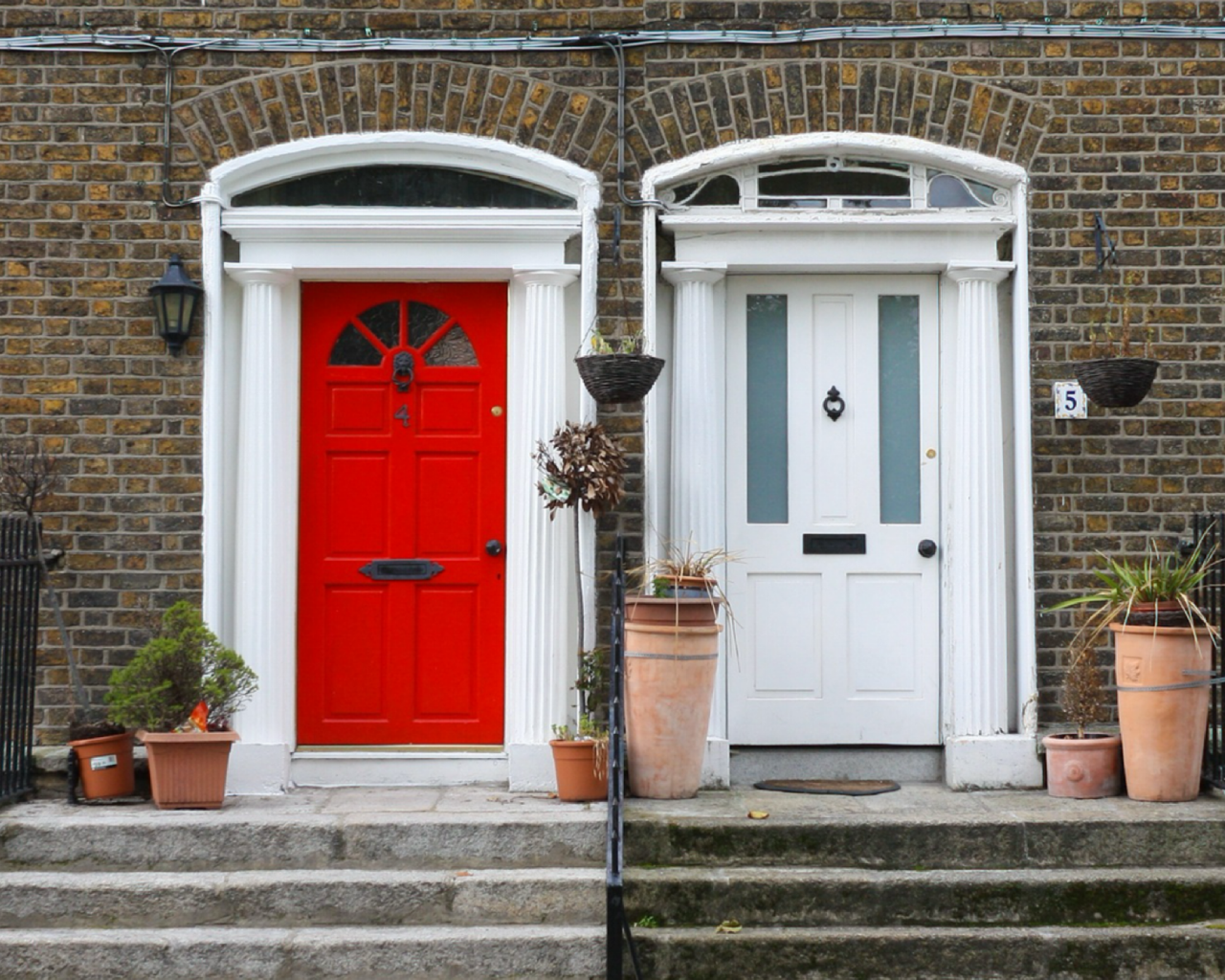
Not all decisions are created equal. One thing I often work through with clients is the cost of delayed decisions.
- “I’ll make that decision when I get a little more data.”
- “I’m not certain yet. I am not ready to make that call.”
- “I want to make sure I get it right.”
The next time you’re facing a decision, try this prompt that Jeff Bezos used when running Amazon instead:
IS THIS A ONE-WAY OR TWO-WAY DOOR DECISION?
One-way door decision definition: A door you can’t re-enter once you make the decision. Some examples include choosing to sell a business, buying a business, signing a long-term contract with a new business partner, expensive decisions such as shifting your entire business model to something completely new and untested.
These types of decisions can and should require deep thought and analysis. Do your due diligence before making the call.
Two-way door definition: A door you can walk back through if needed. Translation? Not permanent.
For most two-way door decisions, speed is your friend. Each delayed decision due to a need for precision or perfection costs you something. While your entire team waits on direction, your competitor is out there experimenting and gaining new learnings. You miss out on momentum as your team gets stuck in a holding pattern circling rather that moving things forward.
Make the call and keep things moving. If you get new information or learn it’s not working, you can always walk back through that two-door.
For two-way door decisions with higher complexity and high impact, great leaders become experts at making decisions with limited data. Leverage your team to understand their thoughts around pros/cons and train your brain to see both sides. Your brain gains clarity on what to do by balancing both risks and opportunities.
“Decision is the spark that ignites action. Until a decision is made, nothing happens.” –Wilfred Peterson
And remember, no leader gets it right 100% of the time. If you need to pivot, then pivot. With each adjustment, you’ll keep learning and growing.
What two-way door decision do YOU need to make today?

